Apple retailer · Web development · SEO
Web development and SEO for an Apple retailer
Web development and SEO for Apple retailer iPAC31 in Belgorod: product categories, model variants and local shop information. 81% of tracked keywords in the top 10.
- Services
- Web development · SEO
- Region
- Belgorod
- Project period
- 1 year
- Website
- iPAC31
The brief
Build an SEO-optimised catalogue for iPac31 and connect searches for Apple models and configurations with purchasing in Belgorod.
Results at a glance
- Keywords in the top 10
- 81%
- Retail website
- Launched
Share of tracked keywords
An SEO-optimised website for the Apple retailer
- Project period
- 1 year
- Region
- Belgorod
Apple retailer
The challenge
The Apple retailer needed a website that explained its changing product range and helped customers in Belgorod find the devices they wanted. Customers could begin with a device family, a model or a required configuration. The structure had to support those starting points without creating a confusing collection of similar pages. Development therefore combined catalogue organisation, precise product information and the practical conditions needed before a purchase enquiry.
Where we started
We separated device families, model generations and variant attributes before designing the catalogue. This established where a category belonged and where an option selector was more appropriate. We then reviewed the information needed alongside specifications: availability, purchase arrangements and the retailer's service conditions. The page structure was planned around those relationships before visual templates were applied, keeping the product decision central to the website and its mobile presentation.
Problems we solved
Model names alone left buyers guessing
Before
Customers compared storage, colour and configuration. Similar product names made it harder to recognise the exact device they wanted.
What we changed
We built the catalogue around category, model and configuration, making product names and characteristics describe the same offer.
Buyers needed local purchasing information
Before
Finding a device was only part of the decision. Visitors also needed availability, collection options, payment and warranty information.
What we changed
We connected product pages to delivery, collection, warranty and reviews, and made the two Belgorod shops, opening hours and contact details easy to find.
What we did
Built the catalogue around device selection
We organised the route from a device family to a model and then to the required variant. Naming rules kept similar products distinguishable in listings and navigation. Related options were connected without turning every attribute into another standalone section. Templates also accounted for changes in the range, allowing new products to enter the existing structure while older entries retained clear status information and links to appropriate alternatives.
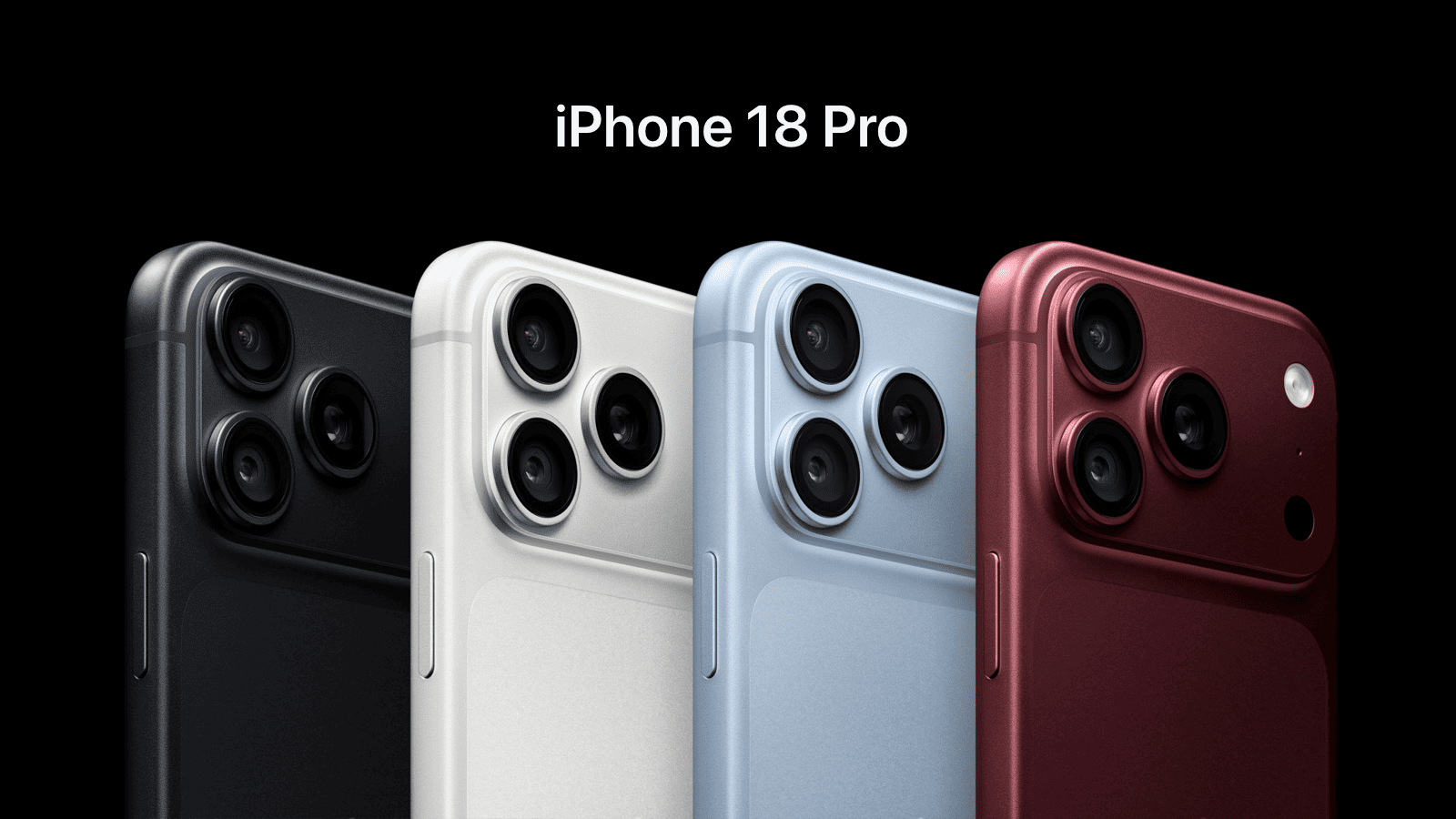
The main product routes covered iPhone, iPad, MacBook, Apple Watch, AirPods and accessories. Model pages led to available storage and colour variants.
Made configurations easier to compare
Product pages received a consistent order for specifications distinguishing configurations. Storage, colour and other relevant options stayed close to the selected item rather than disappearing into a general description. Commercial information followed the retailer's confirmed conditions. We avoided introducing official-status claims or universal warranty promises, and placed the availability enquiry beside the details customers were checking. Related variants were reviewed together to keep their descriptions consistent and useful.
Optimised catalogue templates for search
We matched product searches to the right category or product page. Broad requests led to relevant selections, while model searches were supported by detailed product pages. Titles, headings, addresses and internal links followed this map. Filter combinations and repeated variants were reviewed for duplication, keeping useful category pages while preventing temporary filter combinations from creating unnecessary duplicates.
The product offer included images, price, payment options and one-click purchase. Configuration names also clarified relevant SIM differences.
Connected products with the local store
Store details and purchase questions were placed within the product journey. Visitors could find location and contact information while retaining the context of the item under consideration. Mobile layouts were checked for option selection, specification reading and enquiry actions. We also reviewed the editing workflow so that availability changes and product updates could be reflected consistently across related pages, keeping the catalogue connected to the retailer's current offer.
Key decisions
The challenge was the similarity between variants and the continuous evolution of model ranges. A fragmented structure could generate duplicates, while a simplified catalogue could hide distinctions that mattered to customers. We established clear relationships between categories, models and options, then applied them across templates. Commercial wording stayed within the actual offer, and product precision was maintained without repetitive descriptions that merely exchanged a model name or configuration label.
What changed
The website provided a coherent foundation for presenting Apple products and developing search visibility around the retailer's catalogue. Product selection, technical details and local purchase information followed the same logic. The project illustrates why search optimisation belongs in development: entry pages were connected to usable catalogue sections, while the retailer gained a practical structure for maintaining product information and introducing changes as its range evolved.