Hydrosila · Web development · Advertising
Web development and advertising for an industrial parts supplier
Web development, SEO, product photography and advertising for Hydrosila. A technical catalogue supporting bearing searches in the North Caucasus.
- Services
- Web development · Advertising
- Project period
- over 4 years
- Website
- Hydrosila
The brief
Build a technical catalogue for Hydrosila and make bearing searches in the North Caucasus lead to an informed product enquiry.
Results at a glance
- Search positions
- Top results
- Retail website
- Launched
Bearing-related queries in the North Caucasus
SEO optimisation, product photography and advertising
- Project period
- over 4 years
Hydrosila
The challenge
The industrial parts retailer needed an organised website for a range of technical products, with bearings as a priority for organic search. Buyers often arrived with a part number or specification rather than a broad shopping interest. Development therefore had to support accurate identification as well as a useful enquiry. The project also included product photography and advertising, which needed to use the same naming and catalogue logic as the website.
Where we started
We examined how a buyer moved between a product family, a known designation and the attributes needed to confirm a part. Search requests were grouped according to those differences. We then reviewed how catalogue names, photographs and enquiry information could support the selection. The aim was to distinguish search navigation from technical confirmation: the website should help locate a relevant item while keeping compatibility questions available for a specialist discussion.
Problems we solved
Industrial buyers searched by specifications
Before
A broad product list did not help a buyer identify the right bearing by type or dimensions. Wrong matches created extra work before an enquiry could be assessed.
What we changed
We divided the catalogue into bearing types and rubber products, with a route to selection by inner diameter, outer diameter and width.
Industrial buyers needed clear product images and specifications
Before
Specifications alone did not present the supplier’s range or explain how to confirm compatibility and price.
What we changed
We combined product photography with the catalogue and made consultation, delivery, collection and shop contacts part of the product journey.
What we did
Organised the technical catalogue
We established consistent naming for product groups and individual entries, keeping designations visible where buyers used them to identify parts. Category structure and internal links supported movement from a general bearing request to a more specific selection. Attribute presentation followed the same logic across related products. This gave the catalogue room to develop without mixing commercial descriptions, technical identifiers and navigation labels in a way that made comparison harder.
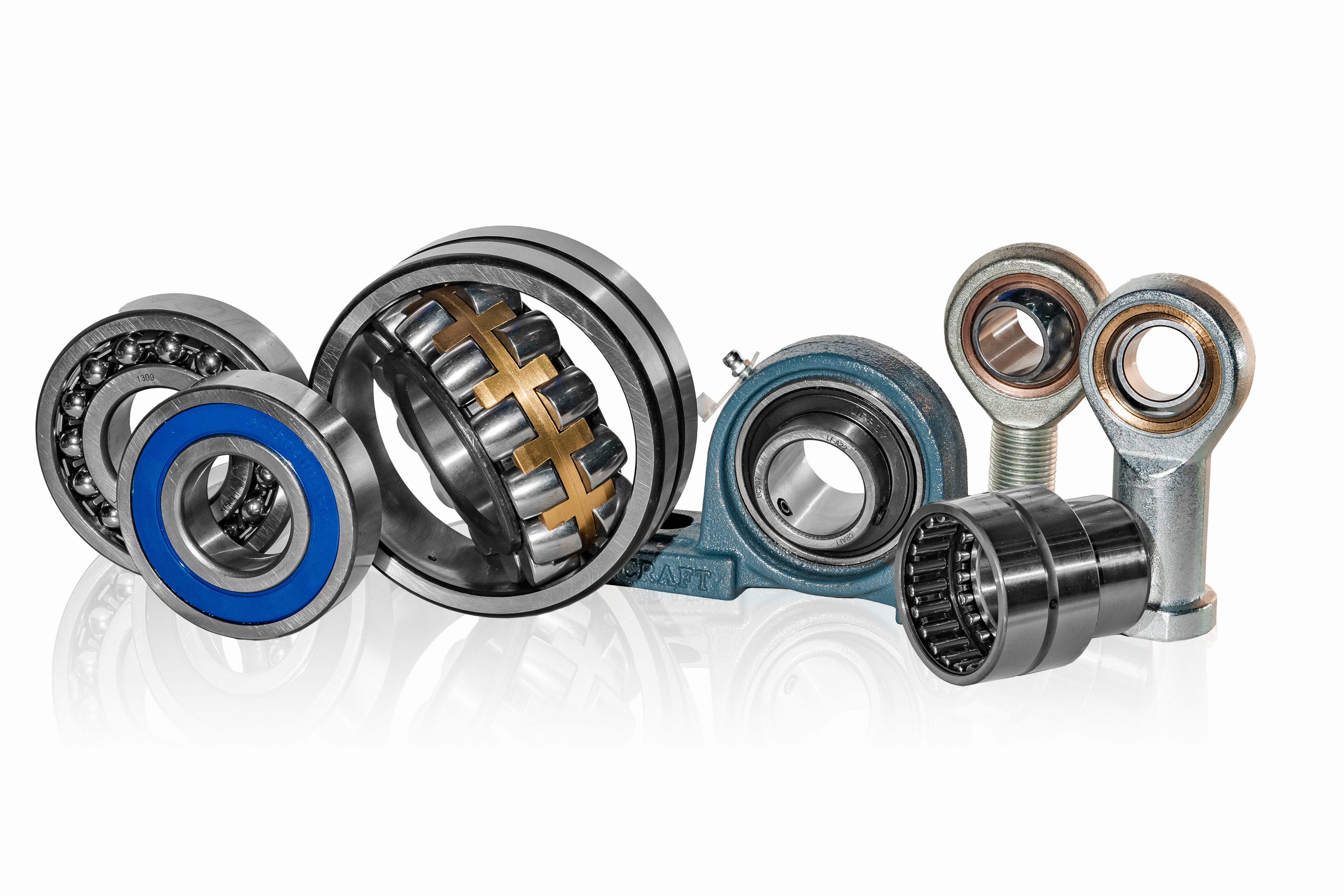
The catalogue distinguished housed, ball, roller and needle bearings. Rubber products included seals, cuffs, belts, hoses and rings.
Prepared photography for product identification
The photography work was planned around the catalogue rather than treated as a separate decorative exercise. We selected views that made the product form and visible identification details useful on a page. Images were associated with the appropriate entries and prepared for listing and detail-page use. File naming and presentation were kept consistent, helping photographs support technical descriptions without implying that appearance alone confirmed interchangeability or suitability for equipment.
Built relevant pages for bearing searches
We connected bearing search groups with pages capable of answering the corresponding request. Titles, headings and category explanations reflected the actual assortment. Related designations and attributes were handled carefully so that close variants did not become indistinguishable repeated pages. Useful links joined product families and individual items. Regional relevance was expressed through service and contact information rather than unsupported claims about delivery conditions or availability across every possible location.
Contacts for Pyatigorsk and Yessentuki linked the online catalogue to the supplier’s physical sales points. Product photography and advertising were separate parts of the delivery.
Matched campaigns to industrial buying requirements
Advertising groups followed the meaningful divisions of the catalogue and the commercial intent behind technical searches. We connected adverts with the relevant selection rather than sending every enquiry to a general homepage. Search terms were reviewed to separate buying requests from unrelated meanings of technical words. Contact prompts encouraged buyers to specify the designation or task, making the website and advertising work together as the start of a product discussion.
Key decisions
The challenge was the precision required by technical buyers. Similar names could refer to different products, and a familiar photograph did not establish compatibility. We kept identification, specifications and enquiry context connected throughout the catalogue. This also influenced content and advertising: broad promotional language was less useful than a clear path to the relevant item. The work balanced search accessibility with the need to preserve distinctions that a purchasing decision depended on.
What changed
The project brought catalogue development, original photography and advertising into a consistent presentation of a range of technical products. Buyers could identify relevant product groups, inspect the available information and make a more specific enquiry. The website also provided a foundation for continued search work around bearings. The case demonstrates how industrial retail benefits when navigation and promotion respect product identification, rather than treating closely related parts as interchangeable descriptions.
Results in detail
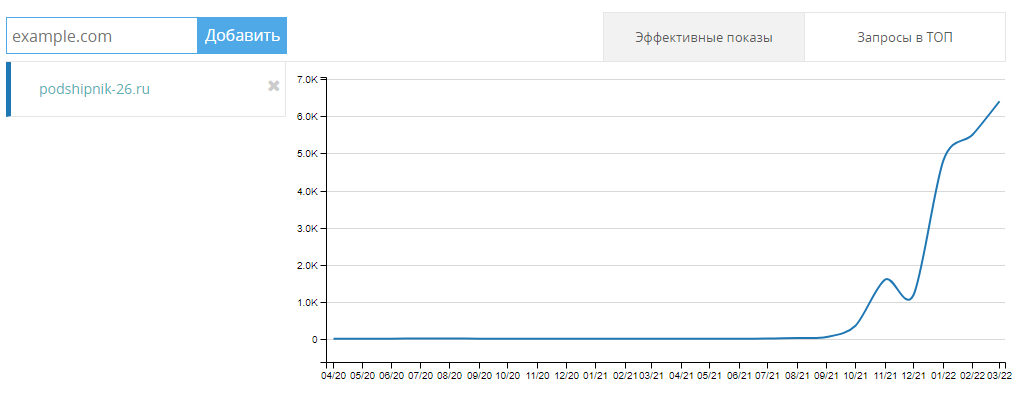
Search performance
Effective impressions · podshipnik-26.ru
04.2020 — 03.2022
 Explore the chart