Christal hostels · Web development · SEO
Web development and SEO for Christal hostels
Web development, SEO and paid search for Christal hostels in Moscow. Explore the property pages, booking journeys and original search performance reports.
- Services
- Web development · SEO
- Region
- Moscow
- Project period
- over 4 years
- Website
- Christal
The brief
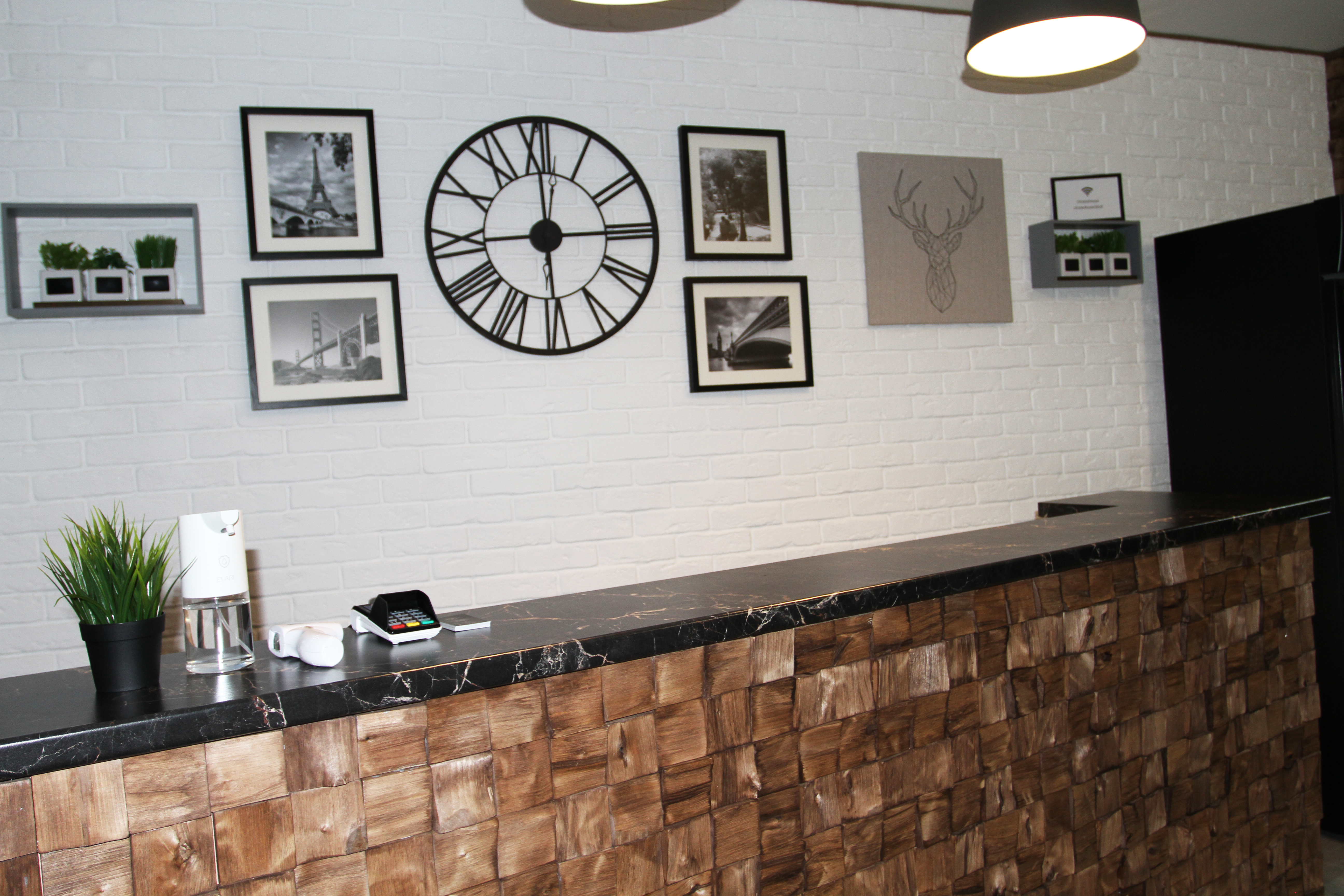
Create and promote a website for the Christal hostel group, helping guests choose a Moscow property and continue to booking.
Results at a glance
- Hostel group website
- Launched
- Customer acquisition
- SEO + Ads
A shared website for the hostel group
SEO and paid search
- Project period
- over 4 years
- Region
- Moscow
Christal hostels
The challenge
The Christal hostel group needed a website that explained accommodation options across its Moscow locations and supported both SEO and paid search. A guest choosing a place to stay needed more than photographs and a general description. The site had to connect location, room information and practical conditions, then lead to a relevant enquiry. We approached development and promotion as a shared task around choosing a specific property.
Where we started
We separated searches for the hostel brand from requests driven by location and accommodation needs. We then reviewed the information required on a property page: address, access, available accommodation descriptions and contact context. The analysis also distinguished general browsing from a guest checking a specific place. This helped define the relationship between network pages, individual hostels and the landing pages used in search campaigns.
Problems we solved
The group needed to explain each property
Before
Guests chose by location and room format. General information about the group could not answer questions about a particular hostel.
What we changed
We gave properties their own pages with addresses, room photographs, prices and check-in information, connected to the group website.
Search visitors needed a clear path to booking
Before
A visitor arriving through a local query still had to establish the right property, available room type and next step.
What we changed
We connected location pages with room choices, date selection and booking contacts, then used the same relevant destinations for search and advertising.
What we did
Created a consistent page for each hostel
We built a shared property-page structure while keeping each location's information distinct. Addresses, directions, accommodation descriptions and relevant photographs were organised in the same sequence. Network navigation helped guests compare properties without losing the place they had opened. The templates allowed content to be maintained consistently, and practical details belonged to the relevant hostel rather than being mixed into a general page about the group.
Property pages included the hostels near Lubyanka and Yugo-Zapadnaya, allowing location, room format and practical conditions to be considered together.
Made room and stay information easy to find
We worked on the questions behind a guest's choice: what kind of accommodation was being shown, which facilities belonged to that option and what arrangements required confirmation. Conditions were placed near the description instead of scattered across the site. The enquiry route retained the selected property, helping a guest ask about a relevant stay. We avoided presenting temporary availability as permanent or replacing clarification with unsupported booking promises.
Created landing pages for local searches
Search work connected relevant location requests to the appropriate property pages. We refined titles, headings, explanatory content and links between the network overview and individual hostels. Similar sections were checked for duplication, and address information remained consistent within the website. Page improvements were considered alongside the guest's route to contact, so local visibility depended on useful accommodation information rather than repeated geographical phrases with little practical value.
Matched paid search to the selected property
Paid search groups were organised around meaningful accommodation and location requests. Ad wording and destination pages were checked together so that the property or condition mentioned in an advert could be understood after the click. Irrelevant search terms were reviewed during management, and changes were coordinated with website content. This kept advertising connected to the actual presentation of the hostels rather than sending every visitor to the same generic page.
Key decisions
The main difficulty was keeping a network coherent without making its properties indistinguishable. Repeated descriptions could blur location differences, while independently assembled pages would complicate comparison and maintenance. We used common templates for practical information and individual content for the features of each hostel. Advertising added another dependency: when a page changed, the promise in the corresponding advert also needed to remain appropriate and understandable to the guest.
What changed
The project connected website development, local search and advertising around the same guest decision. Each hostel could be presented within the network while retaining its own practical information and enquiry context. The resulting structure supported ongoing maintenance and promotion together. It illustrates how accommodation marketing benefits when the website explains where a guest will stay and what they should clarify, instead of relying on a general hospitality message alone.
Results in detail
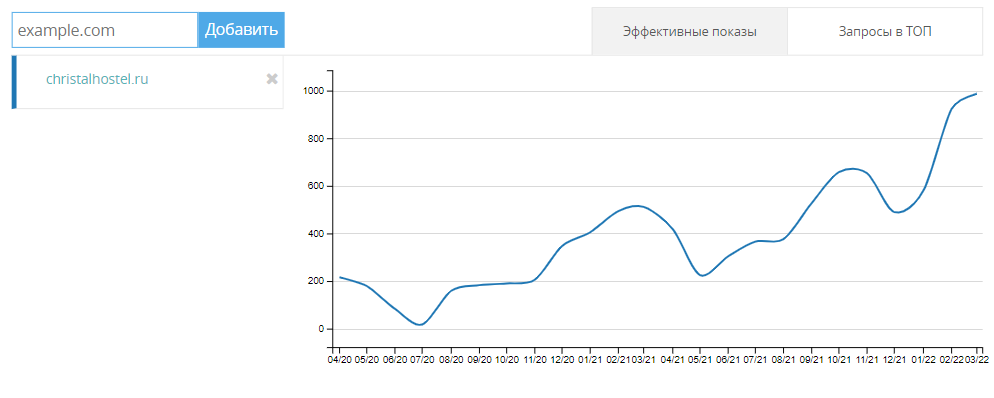
Search performance
Effective impressions · christalhostel.ru
04.2020 — 03.2022
 Explore the chart
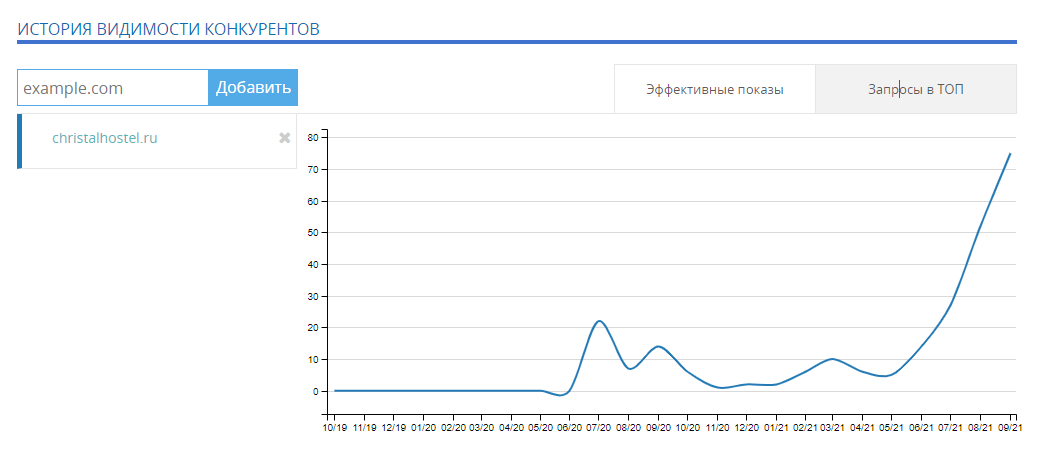
 Search performance
Queries in top results · christalhostel.ru
10.2019 — 09.2021
 Explore the chart