Wedding planning agency in Georgia · SEO
SEO for wedding planners in Georgia
SEO for GEO WED, a wedding planner in Georgia: location pages, service content and enquiry journeys. 41% of tracked keywords reached the top 10.
- Services
- SEO
- Region
- Georgia
- Project period
- 1 year
The brief
Improve GEO WED’s visibility for wedding planning in Georgia and help couples move from choosing a location and budget to a specific brief.
Results at a glance
- Keywords in the top 10
- 41%
Share of tracked keywords
- Project period
- 1 year
- Region
- Georgia
Wedding planning agency in Georgia
The challenge
The wedding agency needed to reach couples considering a celebration in Georgia and help them understand how remote planning would work. Couples searched by location, ceremony type and the level of planning support they needed. A general gallery could not explain those distinctions. The task was to connect useful landing pages with a clear description of the agency's role, while preserving the visual character that makes a wedding service appealing.
Where we started
We mapped searches by location, celebration type and planning intention. Requests for inspiration were separated from searches indicating that a couple was comparing organisers. The website was reviewed through those entry points: whether visitors could understand the offer, see relevant examples and identify the next step. We prioritised pages where a distinct service explanation could be supported by suitable visual material and practical information about planning a celebration abroad.
Problems we solved
Couples arrived at different stages of planning
Before
Some visitors were choosing an agency; others were comparing locations or trying to understand the budget. One general service description could not cover these decisions.
What we changed
We mapped search groups to services, locations and budget information, linking useful planning content to the relevant service and product pages.
A beautiful portfolio needed practical context
Before
Photographs conveyed atmosphere but did not explain logistics, the scope of planning or what affected the estimate.
What we changed
We connected the portfolio with location details, team information and reviews. Service groups in the budget calculator helped couples prepare a more specific enquiry.
What we did
Separated locations from planning services
We clarified the relationship between destination pages and planning services. A location page explained the context of choosing a setting, while a service page described the work involved in organising the event. Related pages were connected so that inspiration led to an understanding of the offer. Each section received a meaningful purpose instead of repeating the general agency description beneath a different geographical heading or collection of photographs.
The location structure covered Tbilisi, Kakheti, Gudauri and Kazbegi, with practical differences between venues, accommodation and travel.
Explained the planning process
We developed content around the sequence of planning decisions: discussing the idea, choosing a suitable format, agreeing the scope and clarifying practical arrangements. The copy explained what information the couple could prepare for an initial conversation. Where conditions depended on the proposed celebration, we described the factors to discuss rather than presenting a universal promise. The service could therefore be understood before an individual proposal was prepared.
Added context to visual examples
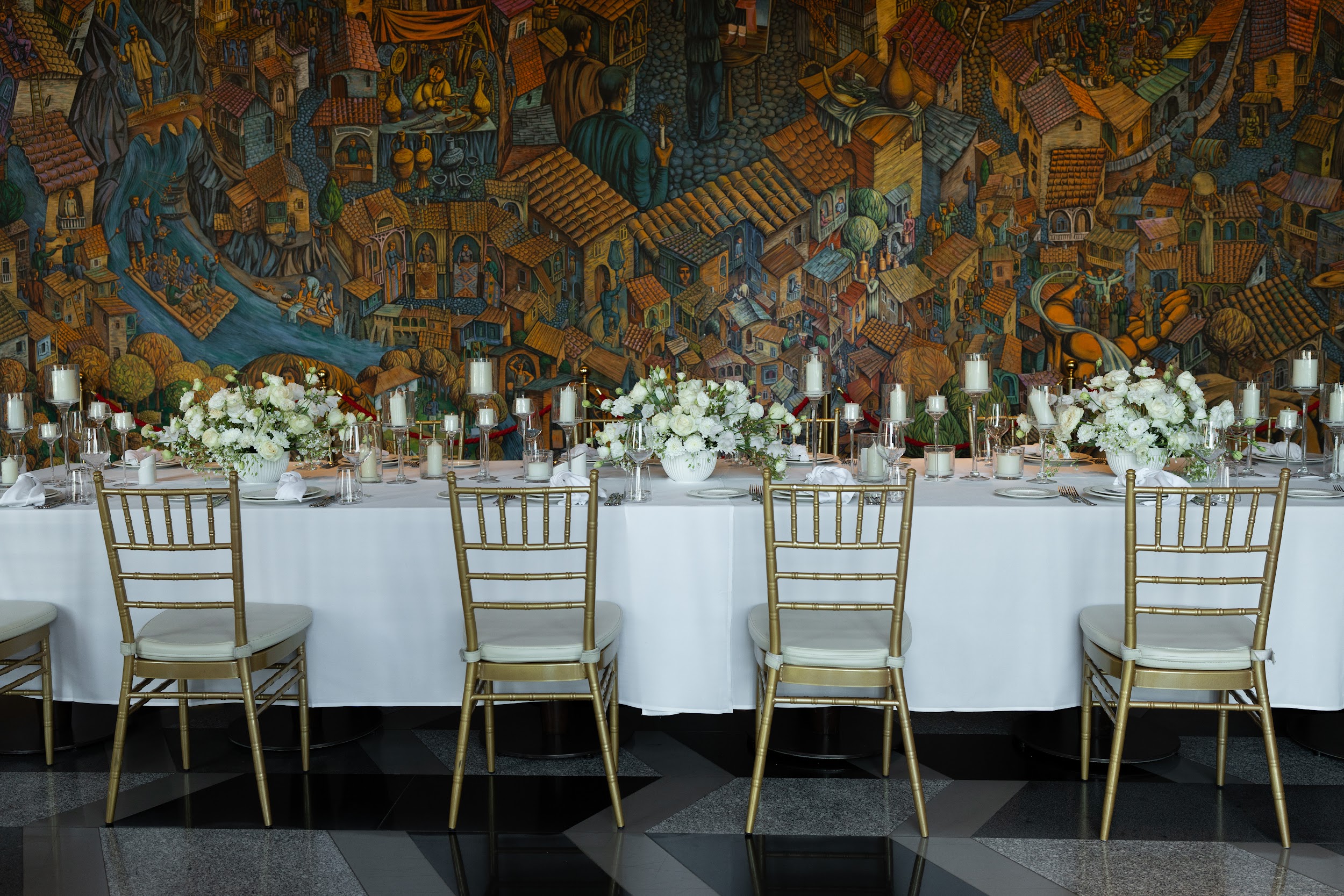
Wedding examples were reviewed as part of the search journey. Images were connected to the relevant place or service, and surrounding text explained their context. We worked on image handling, headings and internal links together. Visitors could move from an example to a suitable service discussion rather than reaching a visual dead end. Mobile galleries were checked so that browsing photographs did not hide essential planning details or contact options.
Budget information covered photography and video, floristry, decor and transfers. The enquiry form and Telegram continued the journey after a location or service had been selected.
Improved search visibility and the enquiry process
We checked page titles, hierarchy, indexable content and links across priority sections. Similar pages were reviewed for overlapping intent, and essential service explanations remained available outside galleries. Enquiry actions were positioned in the context of the chosen location or format. Search observations then guided further refinement, maintaining a connection between the questions attracting visitors and the information those visitors encountered before discussing a celebration with the agency.
Key decisions
The difficulty was balancing emotional appeal with information that made a distant service easier to evaluate. Pages became repetitive when locations relied on identical promises, yet excessive administrative detail could weaken the experience of choosing a wedding. We gave practical explanations a consistent place and used location content to show meaningful distinctions. Variable arrangements remained topics for discussion, preventing assumptions about an individual celebration from appearing as fixed service conditions.
What changed
The work connected the agency's visual presentation with a structured explanation of wedding planning in Georgia. Search pages became useful entry points for couples with different intentions, while examples and service information supported a shared path to enquiry. The case shows how SEO for a wedding agency can follow the decisions clients face, preparing a more specific conversation about the setting, format and organisation of their celebration.